Aktuell / Current
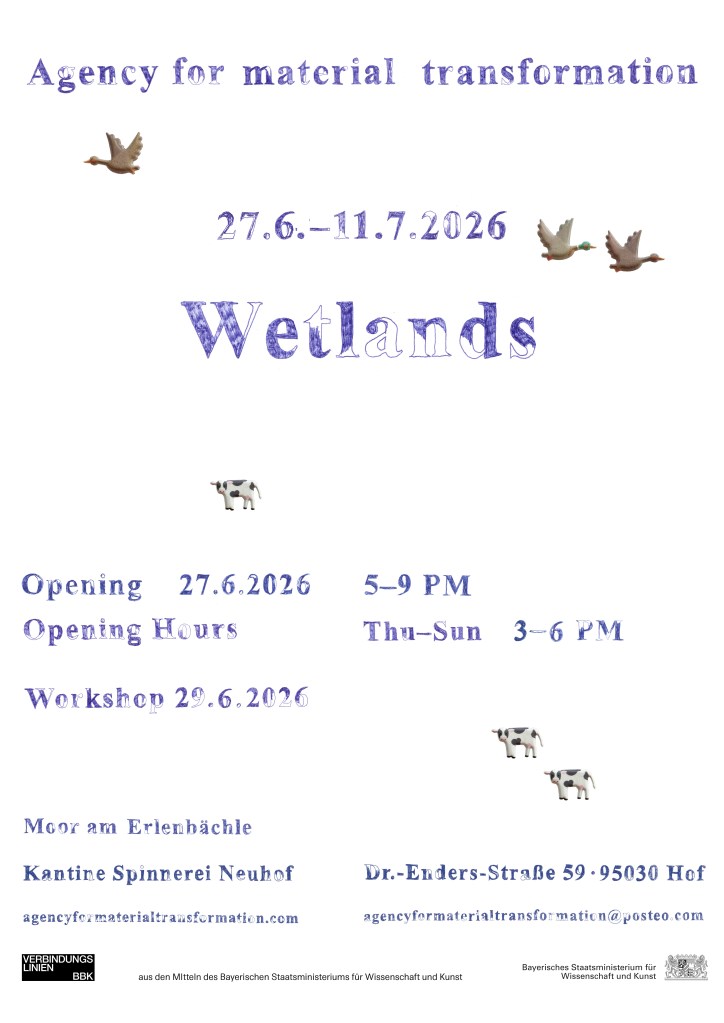
Agentur für materielle Veränderung: Moor / Agency for Material Transformation: Wetlands, 2026
Exhibition Documentation Agency for Material Transformation 2026
ENG
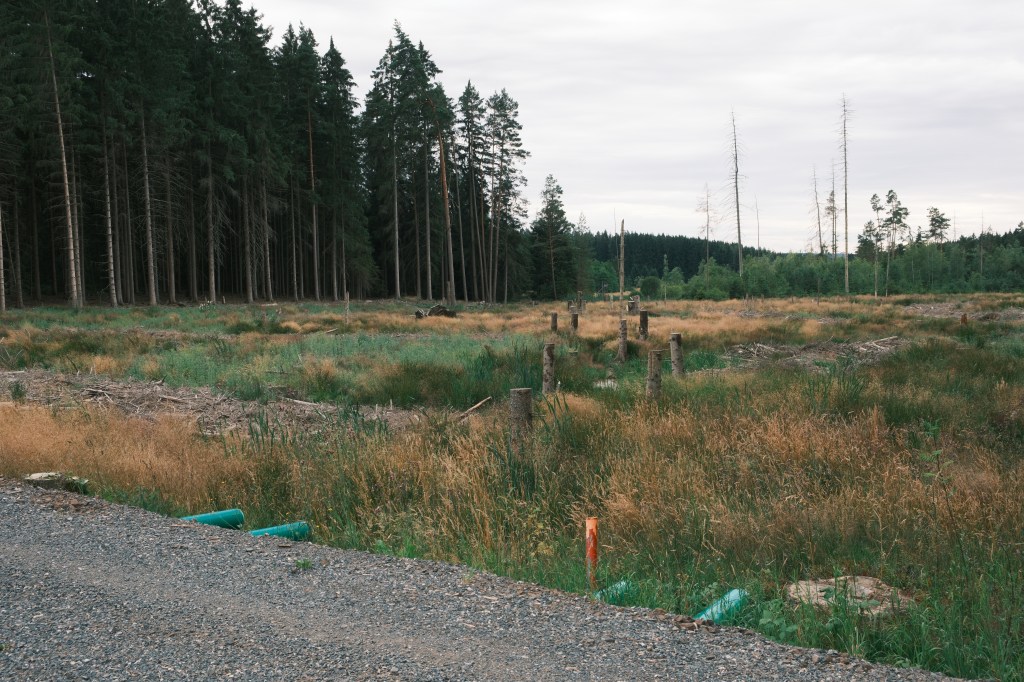
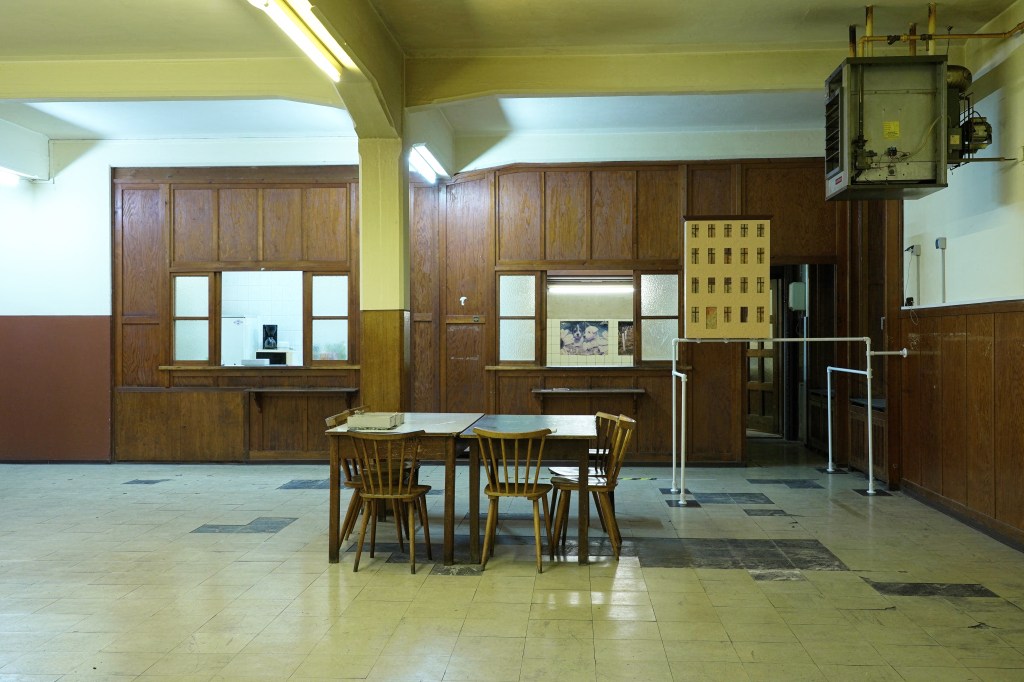
The exhibition brings two places in relation to one another. The canteen of a spinning mill that became insolvent 1.5 years ago and a piece of land that is currently being renaturalised into a wetland. Both places articulate moments of material transformation.
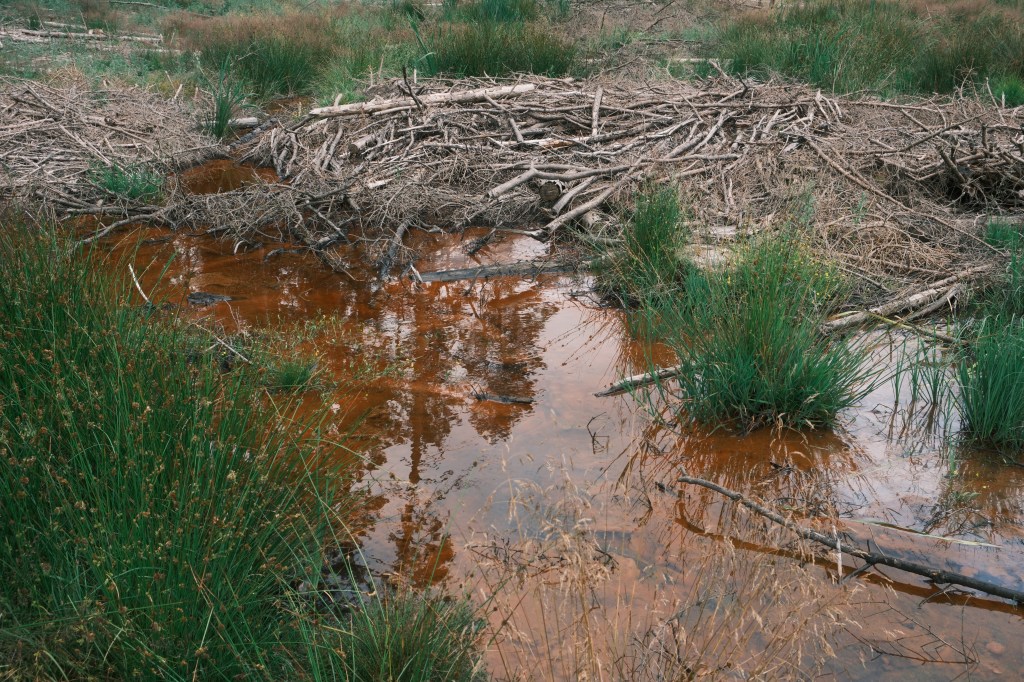
The circumstances these changes are embedded in become the subject matter for sculptural inquiry. The title of the exhibition – wetlands – refers to a specific piece of land by a stream located about 20 km from the canteen of the bankrupt spinning mill. The wetland is in the process of renaturalisation. Before being turned into a wetland, a transformation that is still underway, it used to be a forest. The forest, in turn, was created from a wetland: a form of iteration in the context of systemic drainage of German landscapes since the 18th century.
In the process of coming closer to these landscapes artistically, the ‘Agency for material transformation’ reflects how forms of value, property and services articulate themselves in nature.
Ausstellungsdokumentation Agentur für materielle Veränderung 2026
DT
Die Ausstellung bringt zwei Orte in Beziehung zueinander. Die Kantine einer seit 1,5 Jahren insolventen Spinnerei und ein Stück Land, das gerade als Moor renaturiert wird. In beiden Orten artikuliert sich ein Moment materieller Veränderungen.
Die Gegebenheiten rund um diese Veränderungen werden zum Material skulpturaler Auseinandersetzung. Dabei verweist der Titel der Ausstellung – Moor – auf ein spezifisches Stück Land an einem Bächlein in etwa 20 km von der Kantine der insolventen Spinnerei entfernt. In diesem Stück Land wird aktuell durch Eingriffe des Bund Naturschutz ein Moor hergestellt. Das Moor befindet sich im Prozess der Renaturierung. Bevor es gerade wieder zum Moor gemacht wird, war es ein Wald. Der Wald wurde wiederum aus dem Moor gemacht, das es zuvor war. Eine Form der Iteration im Kontext systematischer Entwässerung von Landschaften seit dem 18. Jahrhundert in Deutschland.
In der künstlerischen Annäherung an diese Landschaften reflektiert die Agentur für materielle Veränderung wie Formen von Wert, Eigentum und Dienstleistung in Naturen zum Ausdruck kommen.
Wetlands
Wetlands have long been perceived as wastelands. Since the 18th century wetlands in Germany have been systematically drained, in order to create agricultural land. This work-intense process was reached through, amongst other methods, forced labor and the use of heavy-duty machinery. Following the invention of the largest deep plow ever manufactured; Ottomeyer’s 1948 “Mammut” made draining the land ever more efficient. Since the beginning of the land drainage, the majority of Germany’s wetlands have lost their ability to function as carbon sinks, a loss which has released massive amounts of CO₂ into the atmosphere. In order to meet present day climate goals, these vast amounts of CO₂ can’t stay in the atmosphere. So, the German government has provided 1,75 Billion € from the ‘Climate- and Transformationfonds’ in April this year, to fund the rewilding of 90 000 hectares of land. That is to say: to make it wetland again in order to store CO₂. Even though wetlands only make 3% of the planetary landscape, they store a third of global soil carbon.
Moore
Moore galten lange und tun es teilweise noch immer als Ödland. Seit dem 18. Jahrhundert wurden Moore in Deutschland systematisch entwässert, um die Landflächen nutzbar zu machen. Sie wurden aufwendig trockengelegt, teilweise mit Zwangsarbeit, teilweise mit massiven Maschinen wie dem seit 1948 in Einsatz gebrachten Tiefpflug „Mammut“ der Firma Ottomeyer. Durch die Trockenlegung wurden Unmengen an CO2 in die Atmosphäre freigesetzt. Der Ort, wo man es eigentlich nicht haben will, um Klimaziele zu erreichen. Daher hat die deutsche Bundesregierung im April diesen Jahres 1,75 Milliarden Euro aus dem Klima- und Transformationsfond bereitgestellt, um in Deutschland 90 000 ha Land wieder zu vernässen. Sprich: Wieder Moor werden zu lassen, um darin CO2 zu speichern. Denn obwohl Moore aktuell nur 3% der planetarischen Landfläche ausmachen, speichern sie ein Drittel des weltweiten Bodenkohlenstoffs.
Archiv / Archive
2025
DT
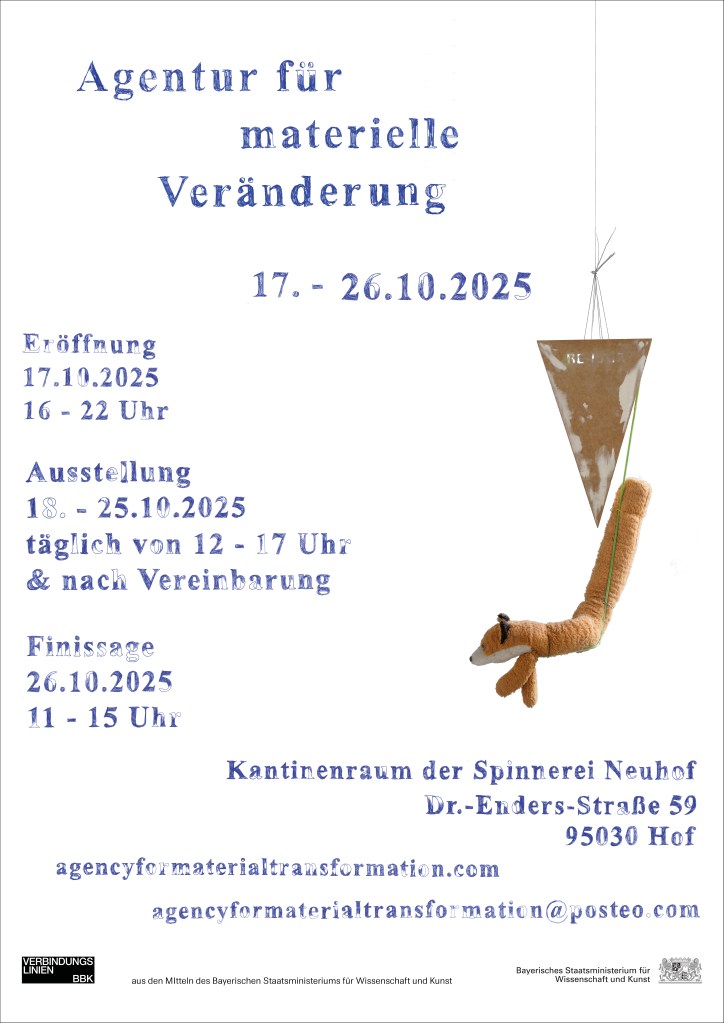
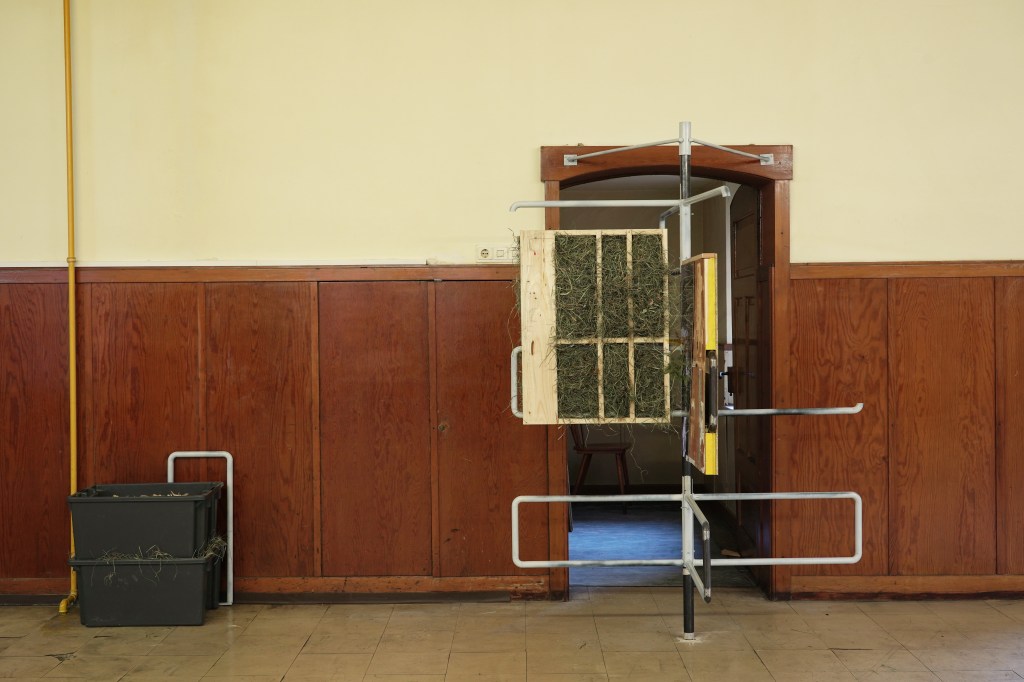
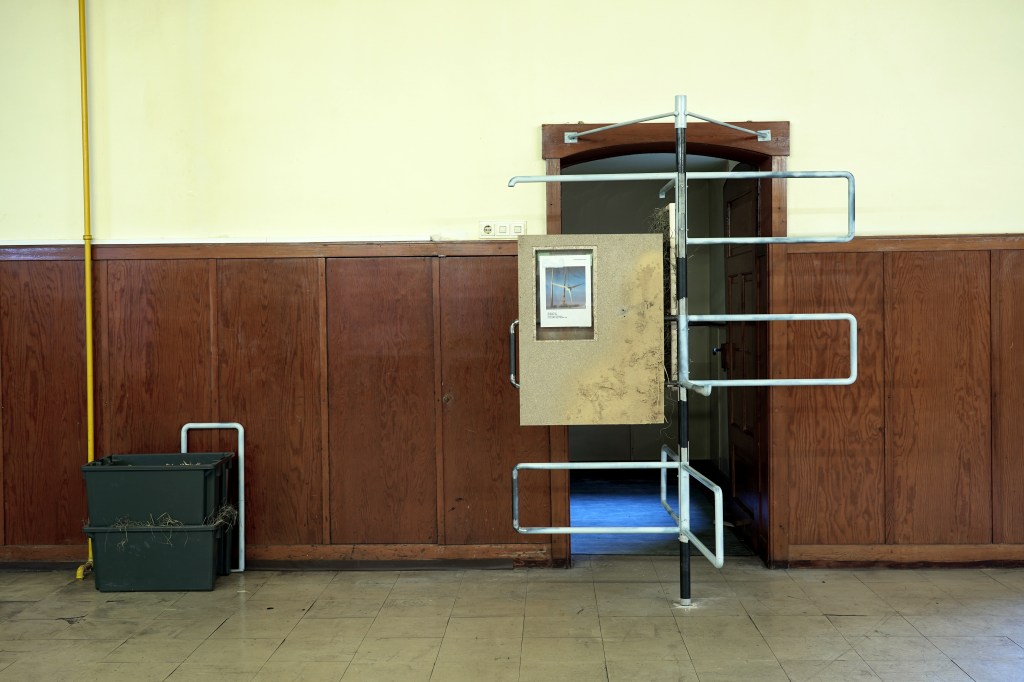
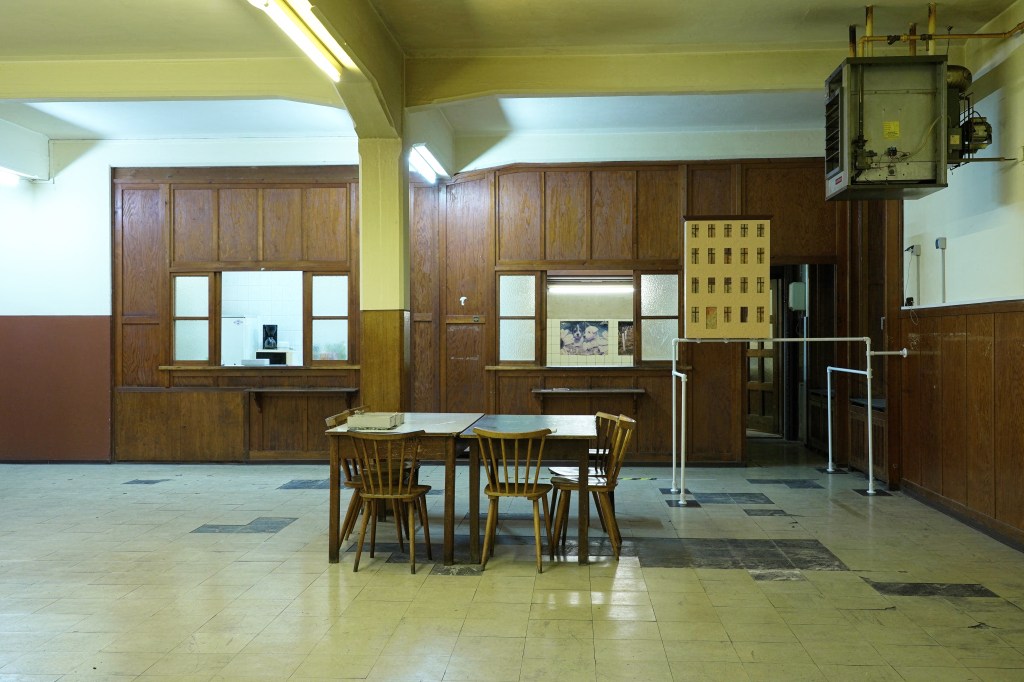
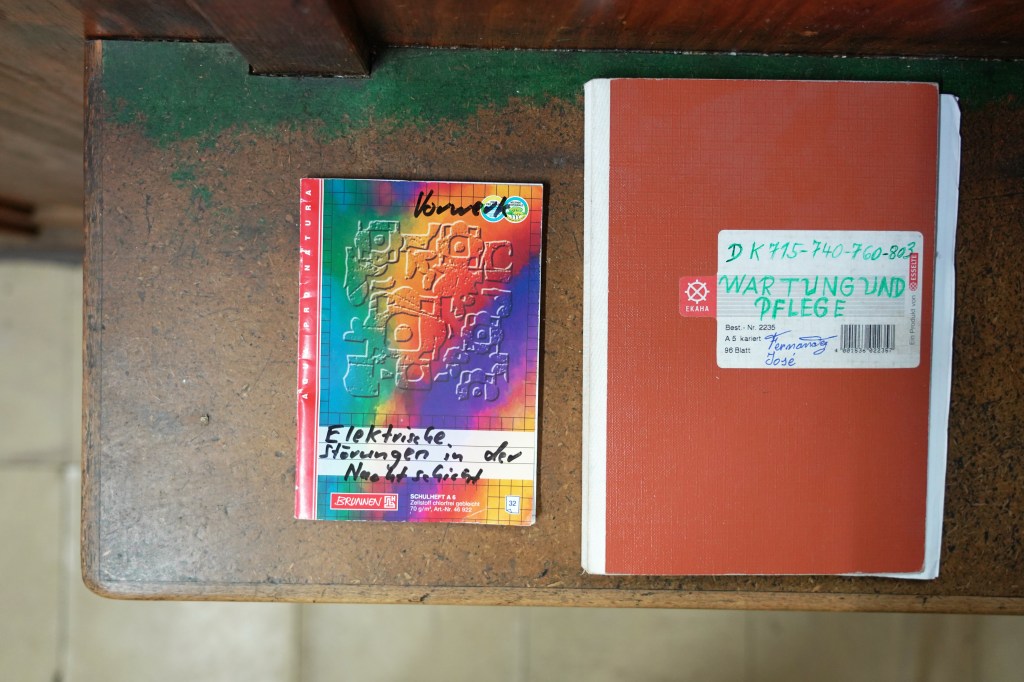
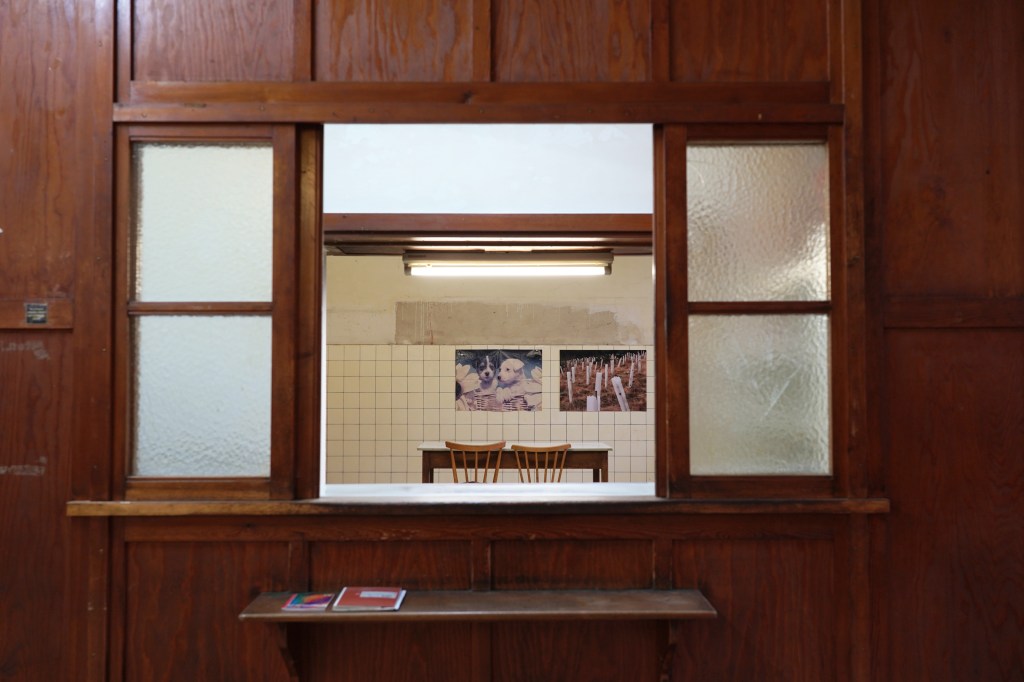
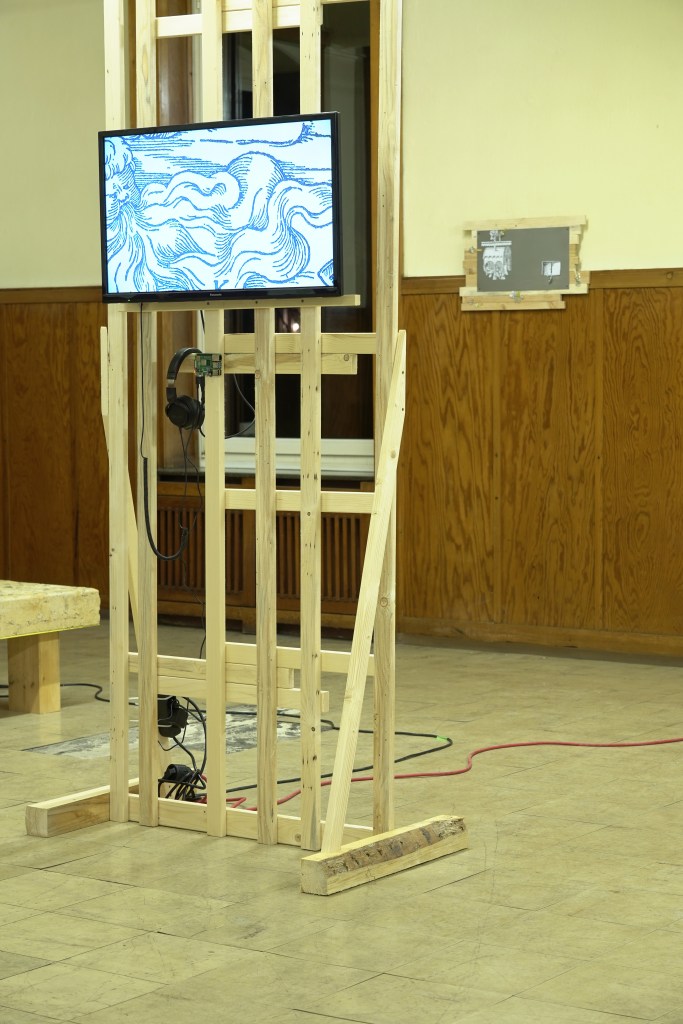
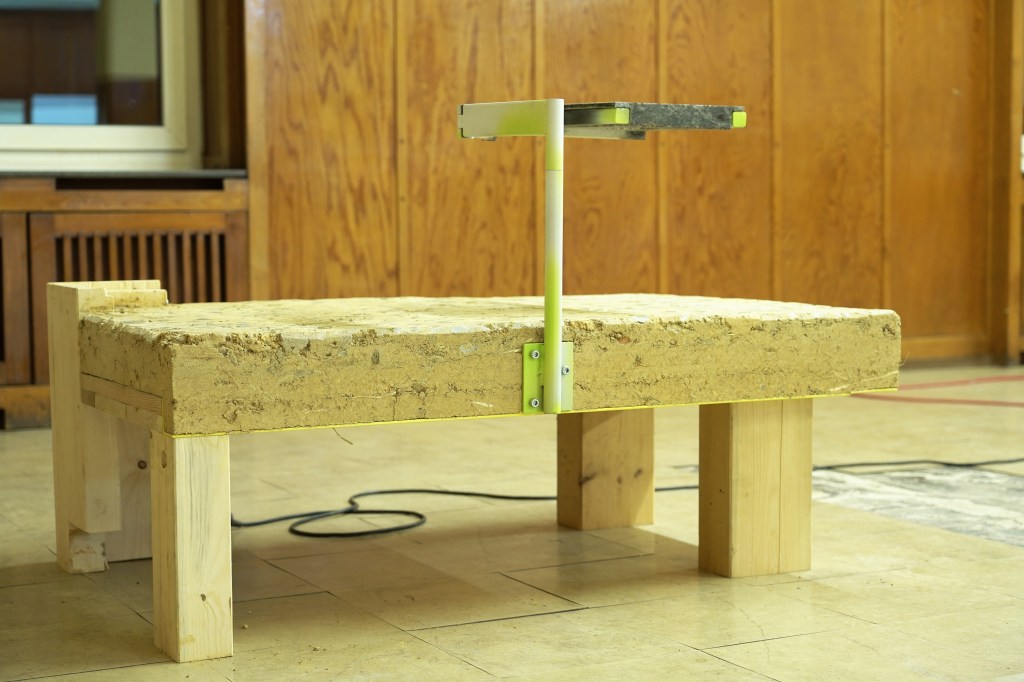
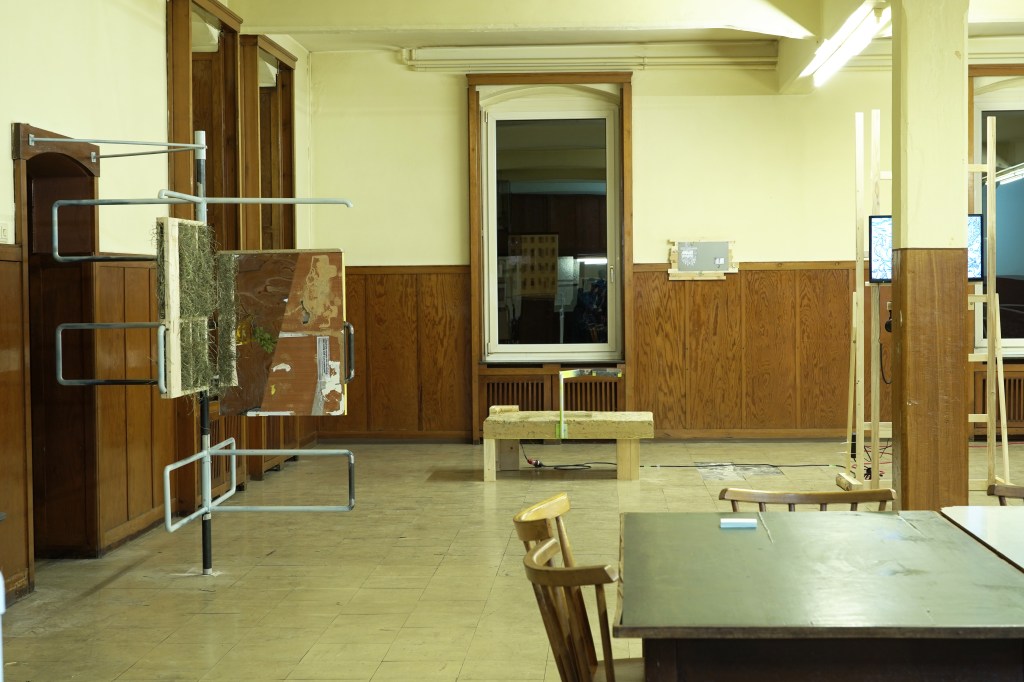
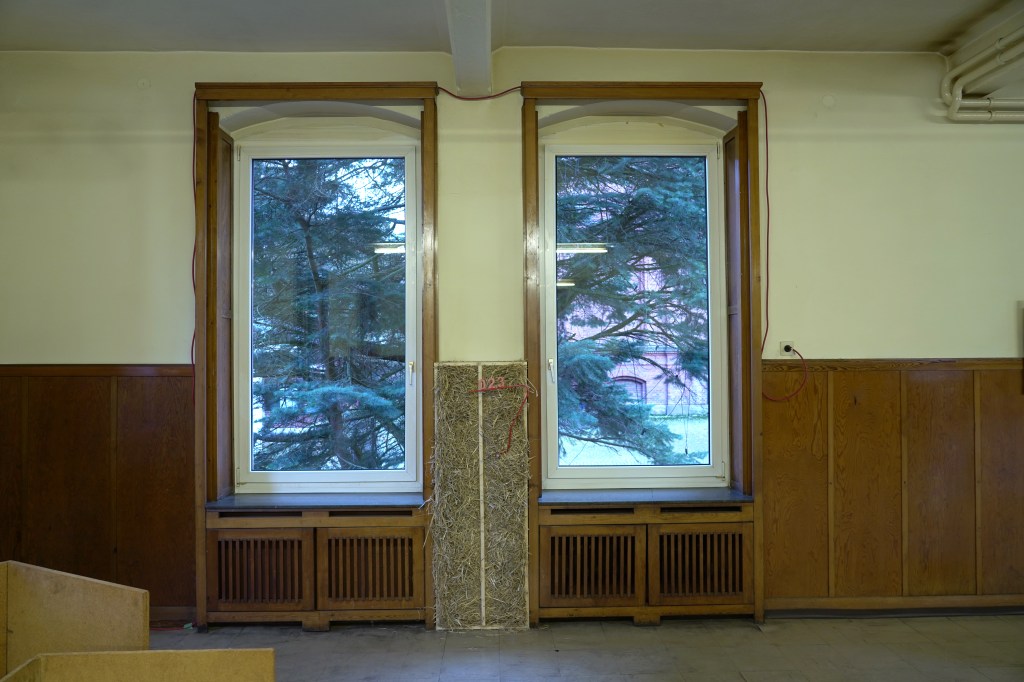
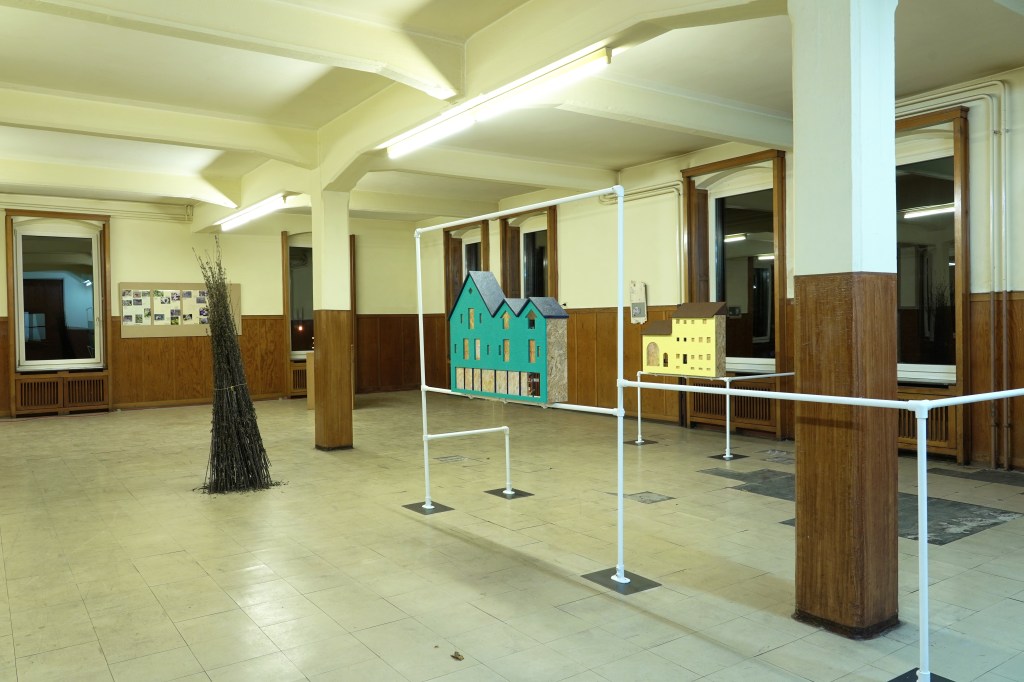
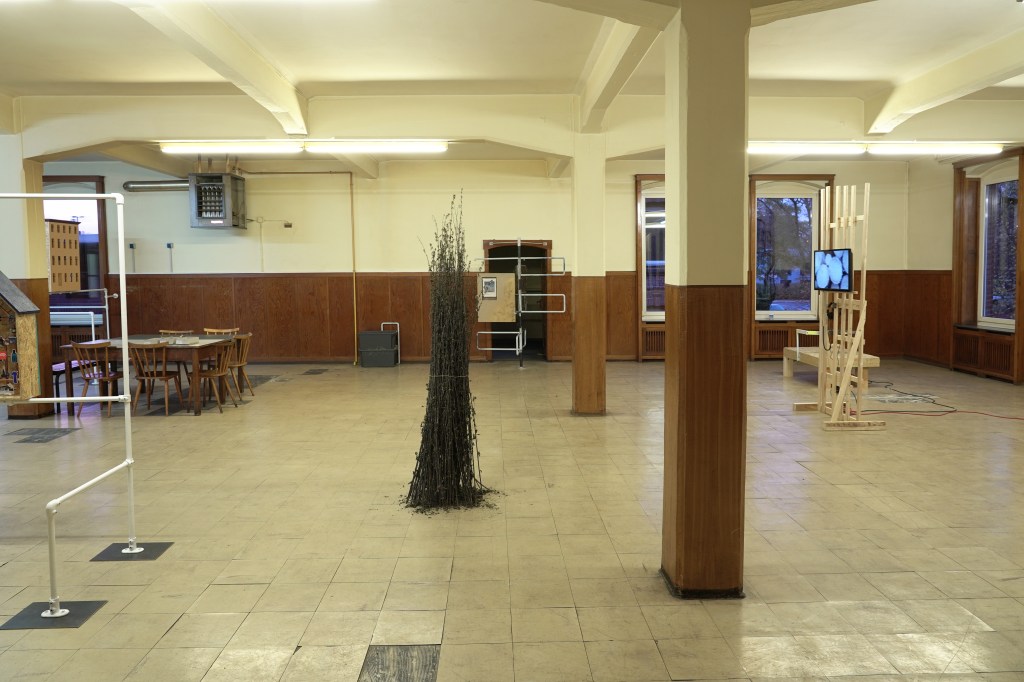
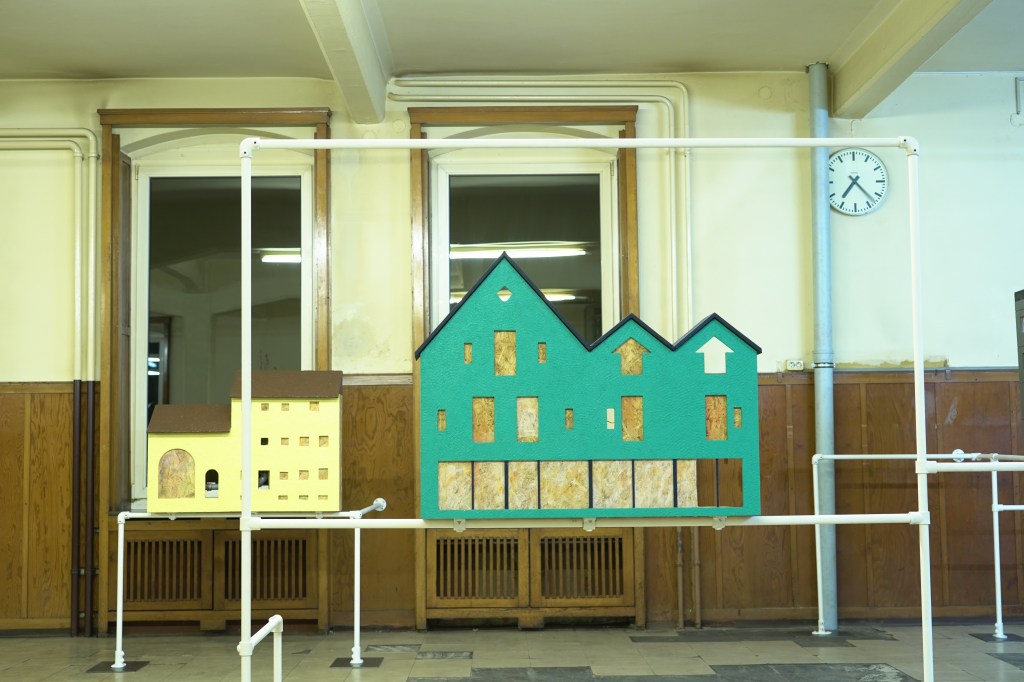
Agentur für materielle Veränderung ist eine Ausstellung, die in der Kantine einer ehemaligen Spinnerei in Hof, Deutschland, stattfindet. Die von den Künstler:innen Vik Bayer und Michael Reindel initiierte Agentur nimmt die materielle Veränderung in der Region zum Ausgangspunkt künstlerischer Arbeit.
Seit Jahren befindet sich der Frankenwald im Prozess des Sterbens aufgrund enormer Dürre und der damit verbundenen Verbreitung des Borkenkäfers. Vor zwei Jahren eröffnete Amazon ein neues Fulfillment Center, das seither ohne Unterbrechung im Dreischichtbetrieb läuft. Lokale Naturschützer:innen haben es sich zur Aufgabe gemacht, eine der ältesten überlebenden Spezies der Erde vor dem Aussterben zu bewahren.
Innerhalb dieses Netzwerks an Informationen und im Austausch mit Menschen und der Umwelt der Region reagiert die Ausstellung auf die Gegebenheiten.
Die Kantine der Spinnerei, die nur wenige Monate vor Ausstellungseröffnung in Konkurs ging, wird zum Raum infrastruktureller Spekulation: Wie könnten wir uns organisieren? Was könnten wir produzieren?
Konzept und Umsetzung: Vik Bayer und Michael Reindel
Arbeiten in der Ausstellung: Vik Bayer, Michael Reindel, Karla Zipfel, Hannelore Buchheit, Jonas Aumüller, Weberei Georg Chr. Wirth GmbH & Co. KG, José Fernandez
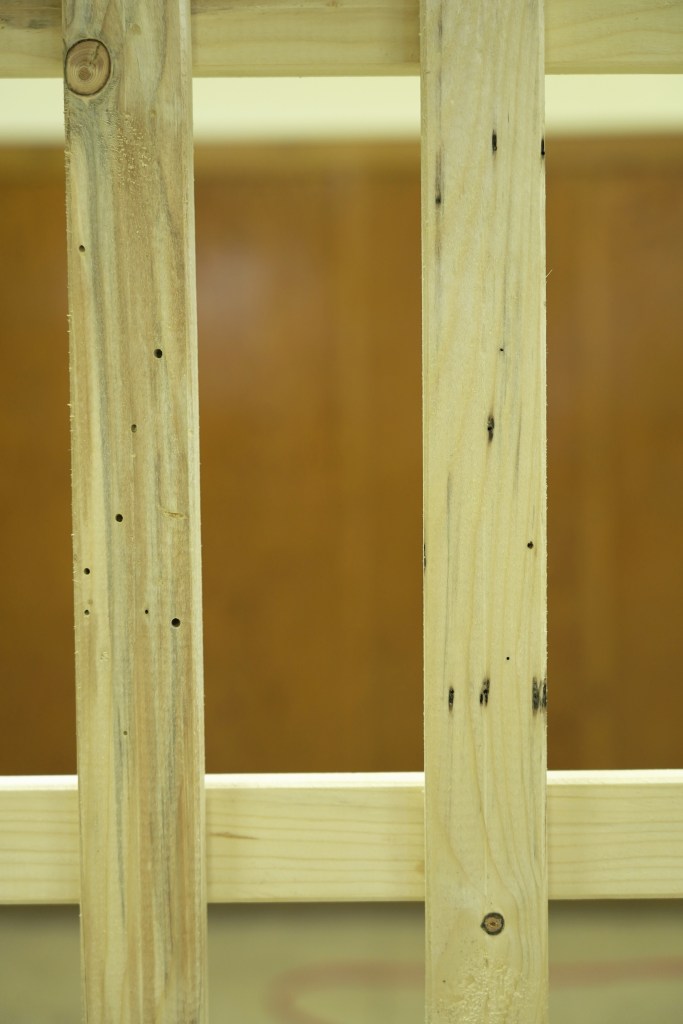
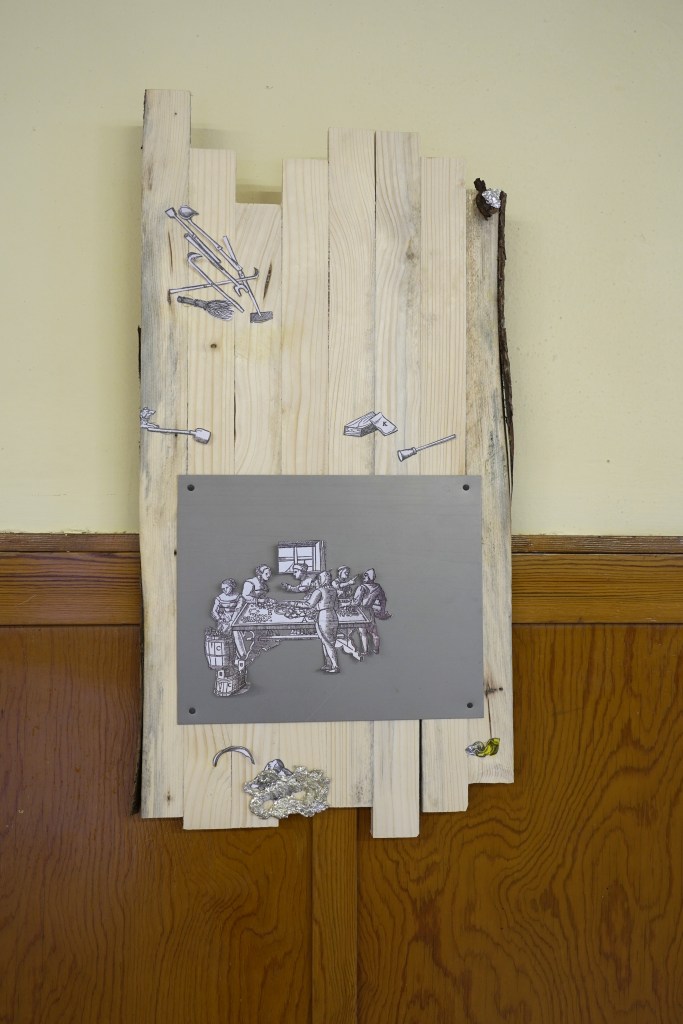
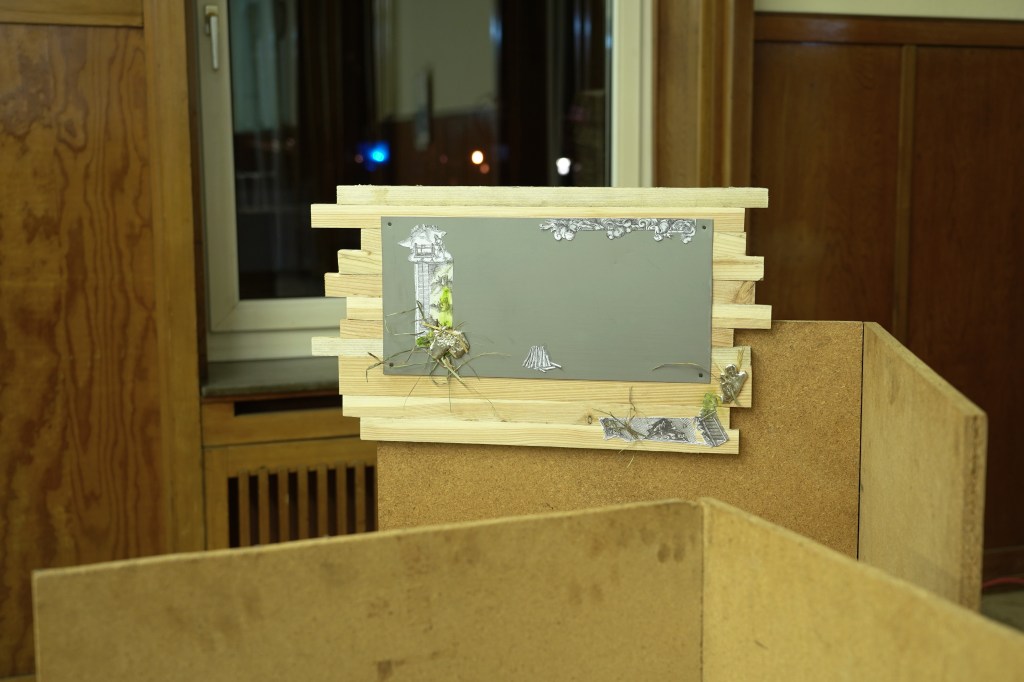
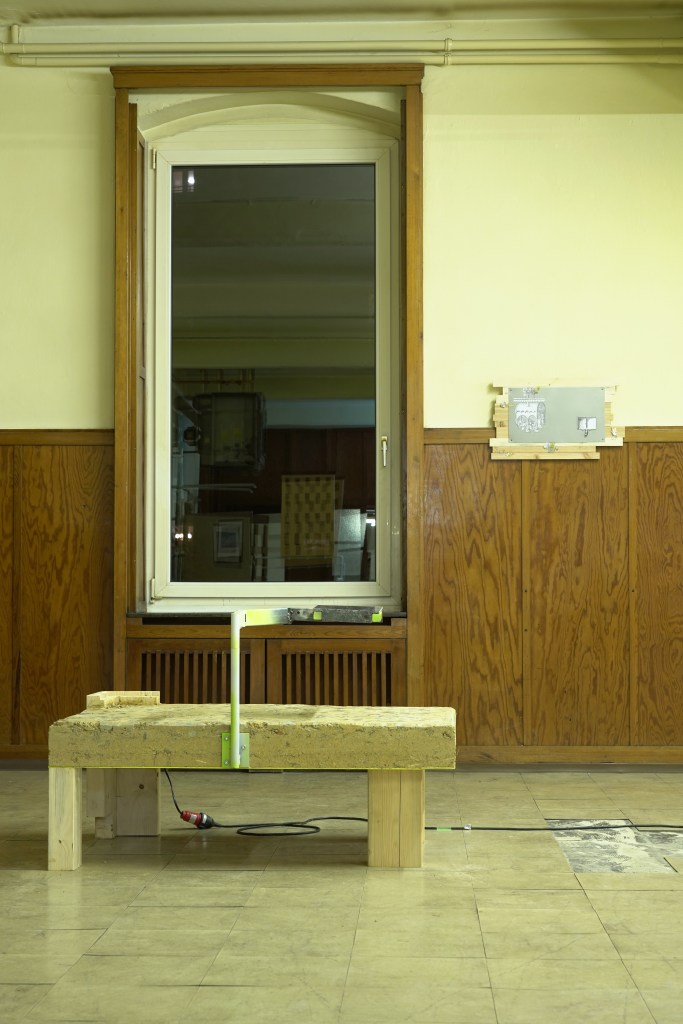
Exhibition Documentation Agency for Material Transformation 2025
ENG
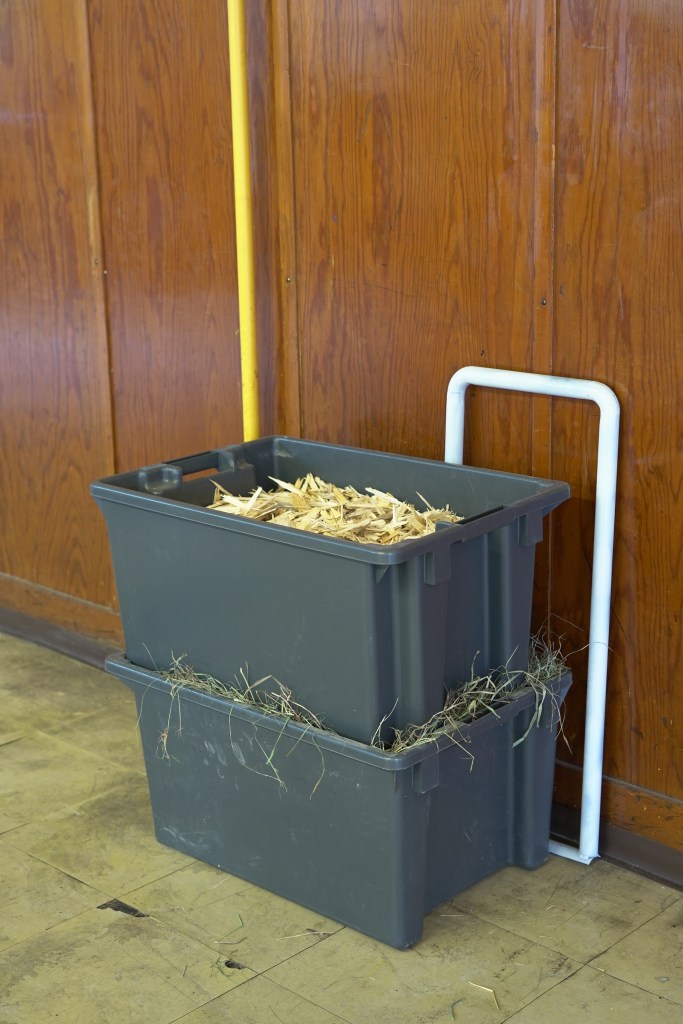
Agency for Material Transformation is an exhibition and a discursive space that takes place in the canteen of a former spinning factory in Hof, Germany. The Agency, initiated by the artists Vik Bayer and Michael Reindel, takes the material change happening in the region as a starting point for artistic work. For years, the Franconian Forest has been in a process of dying due to extreme drought and the resulting expansion of the bark beetle. Two years ago, Amazon inaugurated a new fulfillment center, which has been operating continuously in three shifts ever since. Local environmentalists have made it their mission to save one of the oldest surviving species on Earth from extinction.
Moving within this web of information and engaging with the people and the region’s environment, the exhibition responds artistically to these circumstances. The canteen of the spinning factory, which went bankrupt only a few months before the opening of the exhibition, becomes a space for infrastructural speculation: How else could we organize? What else could we produce?
Concept and realization: Vik Bayer and Michael Reindel
Works in the exhibition: Vik Bayer, Michael Reindel, Karla Zipfel, Hannelore Buchheit, Jonas Aumüller, Weberei Georg Chr. Wirth GmbH & Co. KG, José Fernandez